Imagine walking into a packed stadium for the championship game, smartphone in hand, ready to stream the winning play. Or picture a surgeon in a basement operating room, relying on real-time data to make critical decisions. In both scenarios, the expectation is the same: flawless, instant connectivity.
However, as we transition deeper into the 5G era, a physical challenge has emerged. The very frequencies that deliver lightning-fast speeds—such as C-Band and millimeter-wave—struggle to penetrate the concrete, steel, and Low-E glass that define modern architecture. For network engineers and facility managers, relying solely on outdoor cell towers is no longer a strategy; it’s a liability.
The solution lies in bringing the network inside. Distributed Antenna Systems (DAS) are the silent engines of modern enterprise connectivity, ensuring that "dead zones" are a past inconvenience. But not all systems are created equal.
As a leader in wireless infrastructure and commercial internet provider services, Metro Wireless understands that true reliability starts with the right hardware. In this guide, we introduce you to the top distributed antenna system manufacturers in the USA that are making 5G a reality for businesses, hospitals, and large venues across the country.
Before moving forward, use this DAS discovery checklist to ensure your deployment is properly planned from the start.
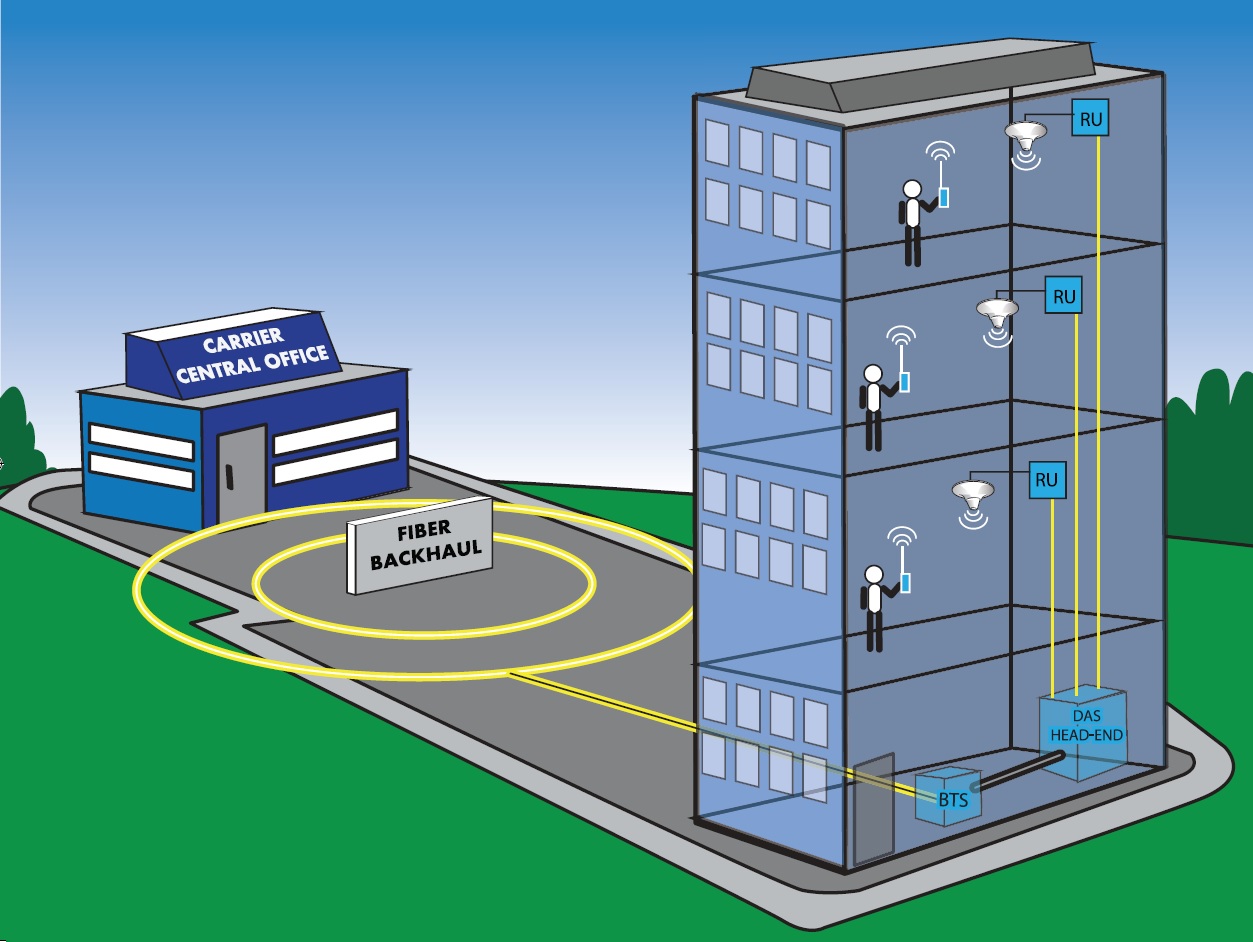
At its core, a DAS distributed antenna system is a network of spatially separated antenna nodes connected to a common source that provides wireless service within a geographic area or structure.Think of it as a dedicated highway for cellular signals inside your building. Unlike a standard Wi-Fi router that broadcasts internet from a single point, a cellular DAS system uses a network of antennas strategically placed throughout a facility—hidden in ceiling tiles, mounted in hallways, or discreetly placed in lobbies. These antennas capture the carrier signal (from AT&T, Verizon, T-Mobile, etc.) and redistribute it evenly, ensuring that a user in the parking garage gets the same high-speed experience as someone in the penthouse suite.
To understand the manufacturers, it helps to understand the machine. A robust in-building distributed antenna system typically consists of:
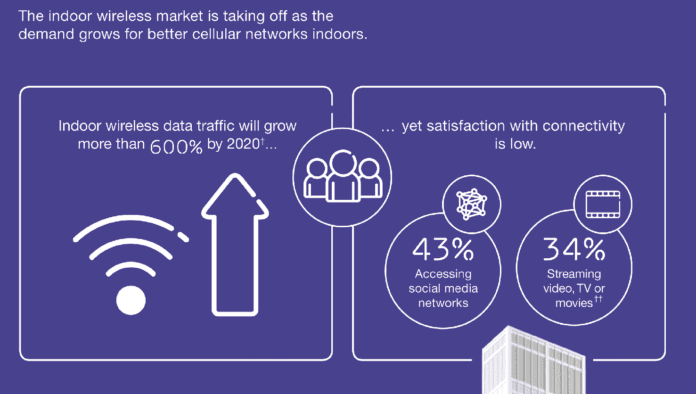
The rollout of 5G has shifted the conversation from simple "coverage" to "capacity and density." 5G networks operate on higher frequencies that deliver incredible throughput but have poor propagation characteristics. A modern office building is essentially a Faraday cage, blocking these signals from entering from the street.
A commercial DAS system solves this physics problem by bypassing the barriers entirely.
Choosing the right hardware partner is the foundation of a successful deployment. The following manufacturers are currently defining the standard for wireless signal boosting and infrastructure in the US market.
Corning is a powerhouse in the optical communications space, and their acquisition of SpiderCloud and MobileAccess has positioned them as a leader in in-building distributed antenna systems.
JMA Wireless is a major US-based innovator that has disrupted the market by bridging the gap between hardware and software. They are the only major DAS manufacturer that designs and manufactures its equipment domestically in the USA.
When you look at the world’s most complex venues—such as the NYC Subway or massive sports arenas—you often find SOLiD technology working behind the scenes.
Note: In a major 2025 industry shift, CommScope divested its DAS and Outdoor Wireless Networks business to Amphenol. The technology remains the gold standard.
The Era™ platform (now under Amphenol) is widely considered the benchmark for all-digital DAS architecture.
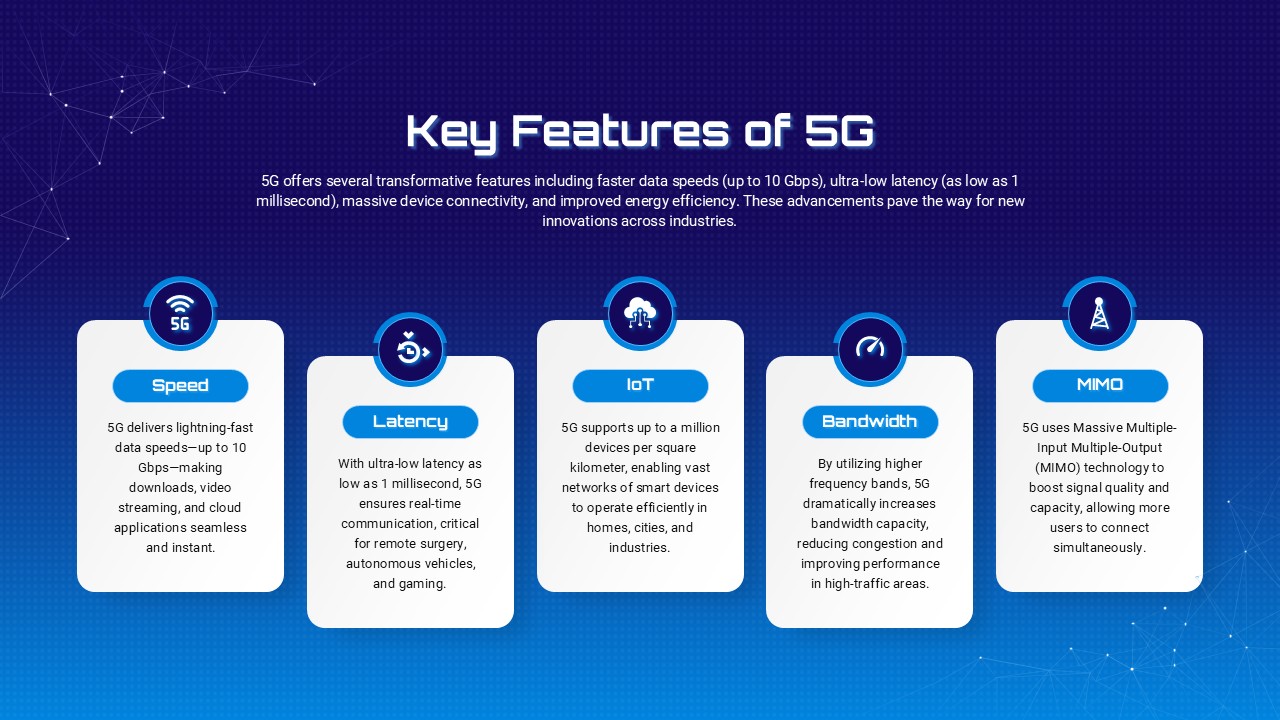
When Metro Wireless designs a connectivity solution, we look for specific features that separate legacy hardware from 5G-ready infrastructure.
A cellular DAS system is not a one-size-fits-all solution; it is a strategic asset that transforms operations across verticals.
In the hybrid work era, enterprise connectivity is non-negotiable. A DAS ensures that executive video calls don't drop in the elevator and that cellular wireless failover kicks in instantly if the primary fiber connection is disrupted.
Reliability here is a matter of life and death. Thick lead-lined walls in radiology departments block outside signals. In-building distributed antenna systems ensure doctors stay connected, telemetry data from medical devices transmits without interruption, and large imaging files can be sent over the 5G business internet network instantly.
These are "capacity nightmares" for standard towers. A robust DAS allows 50,000 fans to live-stream video, order food via apps, and access digital ticketing simultaneously, significantly enhancing the fan experience.
With the rise of automated robots (AGVs) and IoT scanners, wireless internet reliability is tied directly to revenue. DAS covers sprawling warehouses where standard Wi-Fi often struggles to reach, ensuring seamless inventory tracking.
Selecting from the top distributed antenna system manufacturers requires a clear understanding of your building's architecture and your business goals.
As we look toward 2026 and beyond, the line between DAS and the broader IT network is blurring. We are entering the age of Converged Networks, where DAS, Wi-Fi, and private 5G networks operate on a shared digital backbone.
Expect to see a rise in Private 5G deployments, where enterprises use DAS infrastructure to create their own secure, high-speed networks for internal operations—keeping sensitive data off the public grid. Furthermore, the integration of DAS with SD WAN solutions will create smart buildings that are fully autonomous, secure, and hyper-connected.
1. What’s the difference between DAS technology and Wi-Fi?
Wi-Fi connects devices to a private network for data. DAS technology connects phones to licensed carrier networks (Verizon, AT&T, T-Mobile). Wi-Fi is for local internet access; DAS provides reliable mobile calling and data throughout the building, even while moving.
2. Can one DAS support all major carriers?
Yes. A neutral host DAS carries multiple carrier signals over one system. It’s ideal for offices, hospitals, and stadiums so owners don’t need separate setups for each provider.
3. Why choose DAS instead of signal boosters?
Boosters only amplify existing signals (and noise). DAS technology creates a clean indoor signal source, adds capacity, and supports heavy traffic—making it far more reliable for enterprise and large-venue environments.
4. Is DAS compatible with 5G?
Yes. Modern DAS wireless systems support current 4G/5G frequencies. A fiber-backed 5G DAS lets buildings upgrade easily later by replacing electronics, not rewiring the entire system.
5. Do buildings need DAS for public safety compliance?
Often, yes. Many fire codes require public safety DAS/ERRCS to ensure first responders’ radios work inside stairwells, elevators, and garages. Metro Wireless can evaluate your building for compliance requirements.
Reliable wireless coverage is no longer a luxury—it is a utility as vital as electricity. Whether you manage a corporate headquarters, a hospital, or a large public venue, the quality of your digital infrastructure defines the user experience.
The top distributed antenna system manufacturers—Corning, JMA Wireless, SOLiD, and Amphenol—provide the engine for the 5G revolution, but successful deployment requires an expert driver.
At Metro Wireless, we specialize in cutting-edge wireless infrastructure and managed internet services. We cut through the complexity to design custom DAS solutions that eliminate dead zones, satisfy carrier requirements, and prepare your business for the future.
Is your building 5G ready?
Contact Metro Wireless today to discuss your in-building coverage strategy and let us help you build a network that never quits.

Tyler Hoffman
CEO


.jpg)


